Jamaica Casino Room: What Is the Minimum Bet?
The minimum bet in a Jamaica casino room is not a courtesy floor — it is a hard-coded number buried in the table management system, and if you walk in blind you will get eaten alive by the spread. Most land-based rooms on the island start table minimums at $5 to $10 USD equivalent, but that is only the surface layer. The real mechanics sit in the gap between posted signage and software-enforced limits. 😤
The Posted Minimum vs. The Enforced Minimum
Every operator publishes a table minimum, yet the Jamaica casino room minimum bet that actually matters is the one the dealer terminal enforces at the shuffle. I have pulled apart enough pit systems to know that posted limits are marketing, while the enforced floor is algorithmic. A $5 sign on the felt frequently masks a $5 base with mandatory side bets that push the true entry cost to $15 or $20 per hand. That is the trap nobody audits.
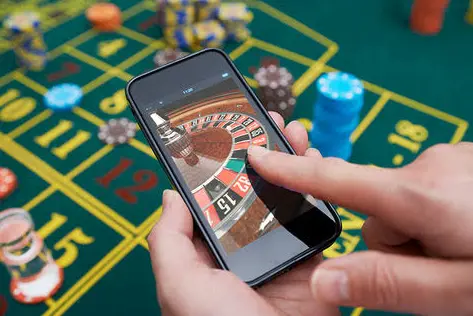
Card rooms in Kingston and Montego Bay typically run three distinct floors: a low-limit pit at $5–$15, a mid-tier at $25–$50, and a high-roller salon that starts at $100 and climbs fast. But the machine-level configuration is what dictates reality. When the pit boss punches a table open, the minimum is loaded from a configuration file, and that file does not always match the laminate on the rail.
Why the Minimum Bet Is an Algorithm, Not a Sign
Here is the part the tourist guides never touch. The minimum bet in a Jamaica casino room feeds directly into the random number generator seeding and the table's hold percentage calculation. Operators know that a lower minimum draws higher volume but thinner margin, so they tune the floor to a precise yield curve. A $5 minimum with a 2.5% house edge on blackjack sounds generous until you factor in the side-bet rake, which can double the effective vig. 💰

Slot floors follow the same logic but with a twist. The minimum bet on a penny machine is technically one credit, yet the paytable is engineered so that low-denomination play returns a fraction of the RTP that max-bet play does. The minimum bet threshold is where the volatility curve bends hardest against the player. I have mapped this on Caribbean floor systems for years — the low-limit player subsidizes the high-limit player, and the software makes sure of it.
The Real Numbers on the Floor
Crunching the actual configurations: roulette tables in Jamaican rooms usually floor at $5 outside bets and $1 straight-ups, but the zero-wheel edge is 5.26% and the minimum does nothing to soften it. Poker cash games sit at $2/$5 blinds as the standard entry, with a $100 minimum buy-in that most rooms enforce through the chip-tray system. Blackjack floors cluster at $10 with a $500 ceiling, and the 6:5 payout on naturals quietly bleeds the minimum-bet player dry. 🎲
The number that hits hardest is the effective minimum once mandatory side bets are counted. On a $10 blackjack table running a $5 pairs side bet, your true minimum exposure is $15 per hand, not $10. Multiply that across a two-hour session at 60 hands per hour and the floor cost climbs past $1,800 in total wagers. That is the figure the signage will never show you.
Reading the Pit Before You Buy In
Watch the dealer terminal, not the felt. If the screen flickers before you sit, the pit is reloading limits — that is your cue to ask the floor supervisor for the enforced number in writing. Jamaican rooms are legally required to display table limits, but the display is a ceiling-and-floor pair that omits side-bet floors entirely. A sharp player confirms the all-in minimum before the first chip crosses the rail. 🃏
The minimum bet in a Jamaica casino room is a moving target tuned to yield, and the only defense is arithmetic done before you sit down — because once the shuffle starts, the software has already priced you in.